Your Backyard Is a Tea Garden Waiting to Happen
Photo: AndyScott, CC BY-SA 4.0, via Wikimedia Commons
There's a particular quiet that comes from drinking something you grew yourself. No tin, no label, no shipping container crossing an ocean — just your own two hands and a patch of dirt. The good news: you don't need a plantation or even the right climate to get started. You need a plan, a few forgiving plants, and a little patience.
First, the Honest Truth About Real Tea
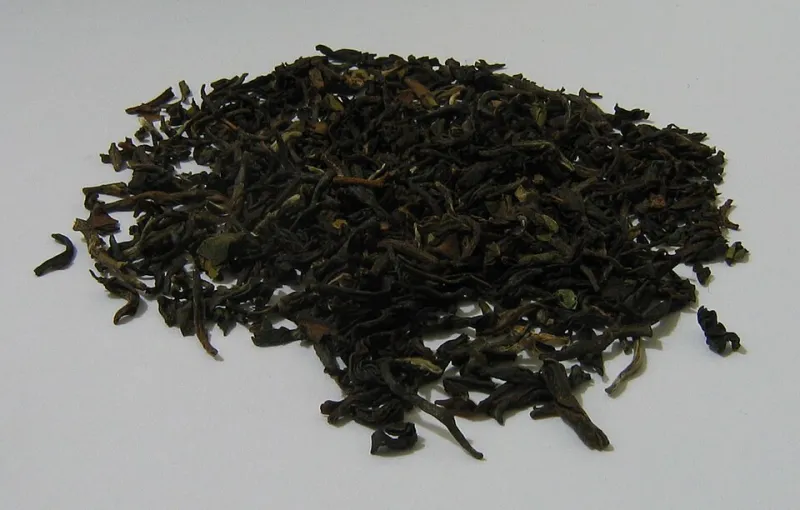
Camellia sinensis — the plant behind black, green, white, and oolong tea — is pickier than the internet lets on. It wants mild winters, acidic, well-drained soil, and humidity. If you garden in USDA zones 7 through 9, especially along the Gulf Coast or in the coastal Southeast, you have a legitimate shot. A few specialty nurseries ship starter plants, and with afternoon shade and winter mulch, they can settle in nicely.
Expect three years before a real harvest. That's not a deterrent — it's a commitment device. In the meantime, you can absolutely grow a full tea-adjacent garden anywhere else in the country.
The Every-Zone All-Stars
These herbs thrive from Maine to Montana and make genuinely wonderful tea.
Mint. The gateway plant. Spearmint for classic brightness, peppermint when you want something that clears your sinuses on contact. One warning: mint runs. Plant it in a container, even if you bury the container in the ground, or it will claim your entire garden by August.
Chamomile. The bedtime classic. German chamomile is an annual that reseeds itself if you let a few flowers go to seed at season's end. The tiny daisy-like blossoms dry beautifully and make a honeyed, apple-scented infusion that pairs perfectly with a wind-down ritual.
Lemon balm. Part of the mint family, so yes, it also spreads. Its citrusy leaves make a calming, gentle tea that's lovely iced with a slice of cucumber.
Anise hyssop. The underrated one. Licorice-scented purple spikes that pollinators adore and you'll adore in a cup. It's a perennial in most of the US and tolerates neglect with grace.
Seasonal Care, Simplified
Spring: Direct-sow chamomile after the last frost; transplant mint, lemon balm, and anise hyssop starts. Most of these herbs prefer soil that's more forgiving than fussy — average dirt with decent drainage is fine.
Summer: Harvest in the morning after the dew dries, when the essential oils are at their peak. Cut mint and lemon balm often; regular trimming keeps them bushy instead of leggy. Never strip more than a third of a plant at once.
Fall: Let chamomile seed heads mature if you want volunteers next year. Cut lemon balm back hard and it'll return in spring. Dry your final harvest before the first frost.
Winter: In cold zones, mulch perennials generously and dream about spring. If you're running a potted tea plant indoors, give it your brightest window and keep it away from heating vents.
From Harvest to Cup
Drying is easier than people fear. Spread leaves and flowers in a single layer on a screen or a baking sheet lined with paper towels, somewhere warm and dark with good airflow. In about a week, chamomile flowers should crumble easily and mint leaves should crackle when crushed.
Then comes the fun part — blending. A few starting points:
- The Wind-Down: 2 parts dried chamomile, 1 part lemon balm, a pinch of dried anise hyssop flowers
- The Porch Cooler: Fresh mint muddled with lemon balm, steeped cold overnight in the fridge
- The Digestif: Anise hyssop alone, steeped five minutes, with a slice of fresh ginger added while hot
Steep dried herbs about a teaspoon per cup in water just off the boil, five to seven minutes. Fresh herbs need double the amount and roughly the same time.
Start Small, Sip Slowly
A single pot of mint on a fire escape counts. A raised bed of chamomile counts. The point isn't self-sufficiency — it's the small ritual of walking outside, cutting something green, and knowing exactly where your evening cup came from. Steep beautifully. You grew that.