Three O'Clock Kettle: The Unwritten Rules of the American Tea Break

Photo: Shixart1985, CC BY 2.0, via Wikimedia Commons
Somewhere around 2:47 p.m., it happens. Your eyelids get heavy, the spreadsheet blurs, and you find yourself drifting toward the break room kettle like a moth to a very warm flame.
Congratulations — you've just joined the largest unorganized tea ceremony in the world: the American afternoon tea break. Nobody taught you the rules because nobody wrote them down. So let's do that now.
The 3 P.M. Office Kettle Run
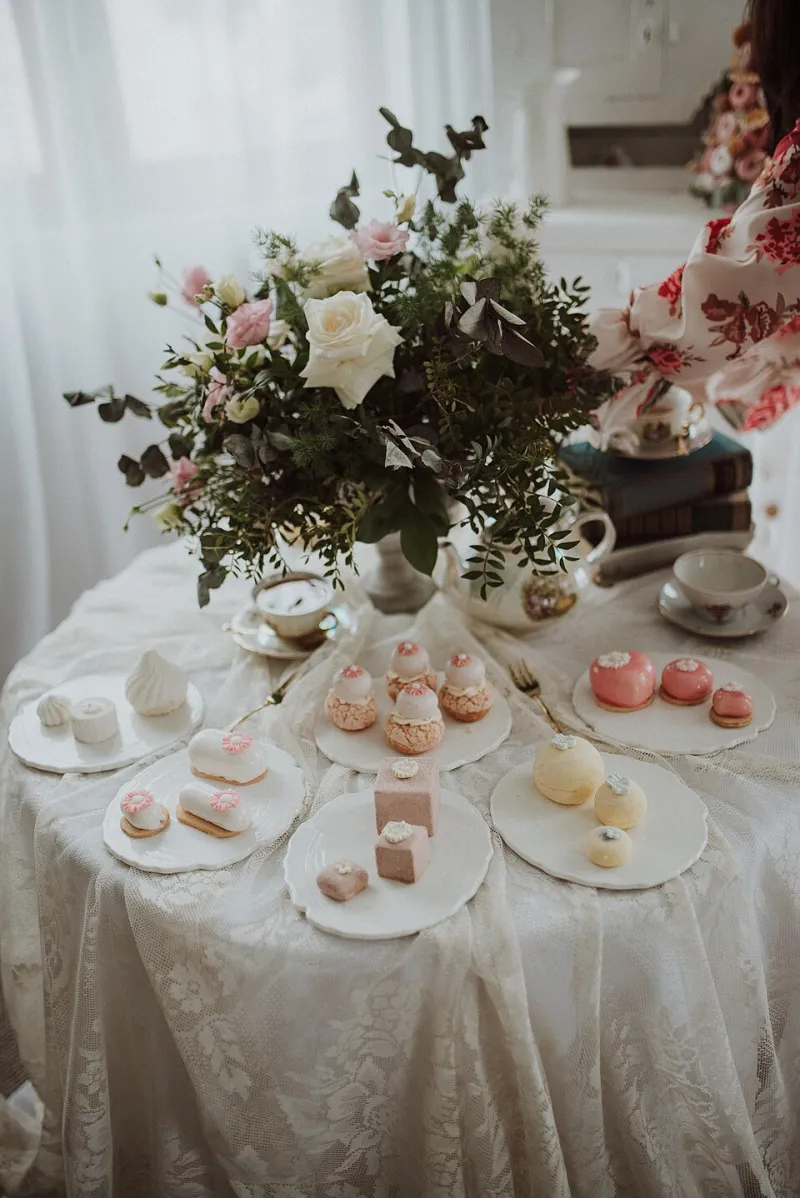
The British have their four o'clock service with cucumber sandwiches and a tiered stand. We have Steve from accounting muttering "anyone want anything from the kitchen?" That's not a failure of tradition — that IS the tradition.
The office tea run has its own quiet choreography: the polite offer, the mug roulette (whose chipped mug is whose), the debate over whether the communal kettle tastes like soup. It's ritual in sneakers. Lean into it. Keep a personal stash at your desk — a sturdy black tea for the crash, something herbal if you're trying to sleep before midnight — and you've built a ceremony that fits inside a cubicle.
The Diner Refill: Tea as a Public Utility
Sit in any roadside diner between 2 and 4 p.m. and watch the cups. Waitresses top off hot tea without being asked, the way they do coffee, and nobody thinks twice about it. The bottomless cup of tea is a genuinely American invention — endlessly refillable, mildly comforting, served in a heavy white mug that could survive a drop from a truck bed.
There's a lesson in that mug: afternoon tea doesn't need to be an event. Sometimes the ritual is just warm liquid, a laminated menu, and twenty minutes where nobody needs anything from you.
Grandma's Piano Bench Spread
Ask around and you'll find nearly every American family has one — a relative whose afternoon tea setup defied explanation. The tea cart that never moved. The tin of shortbread that was somehow always full. The teapot cozy knitted by someone's church group in 1987.
These homegrown spreads were never about formality. They were about stopping. A plate of store-brand cookies, a pot of orange pekoe, and an hour of sitting at the kitchen table while the light got long. That's the good stuff, and it costs almost nothing to recreate.
Building Your Own Fifth Hour
You don't need to import anyone's etiquette to make the afternoon slump sacred. Try this instead:
- Pick a time and defend it. Even fifteen minutes between 2 and 4 p.m. works. Put it on the calendar like a meeting with a very calm person.
- Step away from the screen. The tea break only works if you actually break. No phone, no email, just the cup.
- Match the tea to the moment. Bright and brisk if you've still got a afternoon of work ahead; chamomile or lemon balm if you're winding toward evening.
- Add one small pleasure. A square of chocolate, a slice of leftover pie, a good view out the window. One is plenty.
The point was never the porcelain. It was the pause. The British formalized it; Americans just quietly do it their own way — in break rooms, at diner counters, at grandma's kitchen table with the good cookies.
So the next time the 3 p.m. fog rolls in, don't fight it. Fill the kettle. That's not slacking — that's tradition, the homegrown kind. Sip slowly. Steep beautifully. Find your calm.
And if anyone asks why you're staring out the window with a mug at three o'clock sharp? Tell them it's tea time. American-style.