Pack a Thermos: Six Places in America Where the Garden Does the Brewing
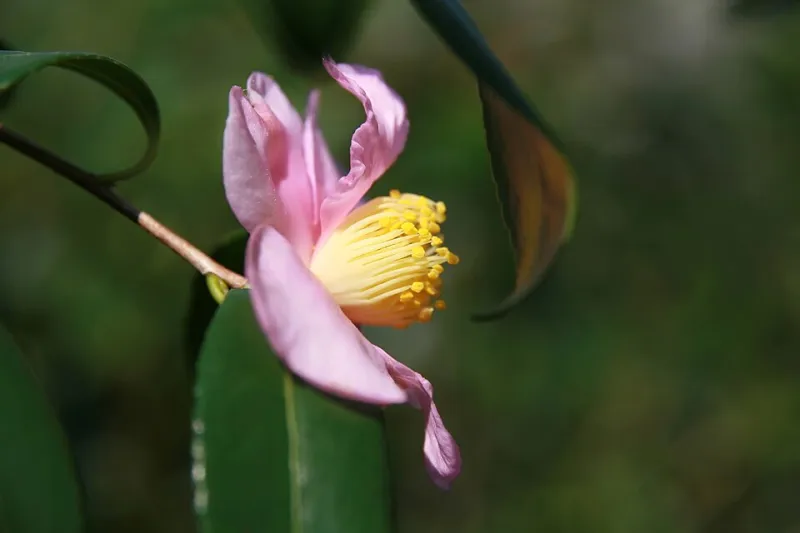
Photo: Photo by David J. Stang, CC BY-SA 4.0, via Wikimedia Commons
Here's a fact that changes how you see every botanical garden in the South: the ornamental camellias blooming by the visitor center and the tea in your travel mug are cousins. Same genus, Camellia. One was bred for looks, the other for your cup. Once that clicks, a garden stroll stops being a stroll and becomes a field trip to the plant that makes your whole morning possible.
America has more places to sip among the leaves than most tea drinkers realize. Some are working tea farms. Some are gardens with deep camellia collections and a surprisingly good pour. All of them beat staring at your phone. Here are six worth the drive.
Charleston Tea Garden — Wadmalaw Island, South Carolina
Start with the big one. Charleston Tea Garden—formerly Charleston Tea Plantation—is the largest tea farm in North America, and it delivers exactly what you'd hope: a trolley tour through acres of tea plants, a factory walkthrough where you can watch the leaves being processed, and a complimentary tasting at the bar with a dozen-plus varieties on tap.
What to expect: The trolley is a little touristy, sure, but it rolls right past the fields where American Classic Tea actually grows. The factory tour is self-guided with audio, which means you can linger by the sorting machines as long as you like.
When to go: Late spring through early summer, when the plants are pushing fresh growth and the fields look their greenest. Bonus: the tasting bar's cold brew is the correct answer to a South Carolina afternoon.
Does the pour live up to the setting? Honestly, yes. It's not fancy tea, but it's fresh, it's local, and drinking it fifty feet from where it grew is its own flavor.
The Camellia Collections of Sacramento and Beyond — California
California has a small but real tea-growing scene, and its camellia gardens punch way above their weight. The Camellia Society of Sacramento hosts annual shows where hundreds of blooms compete each winter, and gardens across the state—from public parks in Sacramento to the camellia walks in Southern California estates—hold serious collections.
What to expect: Formal gardens, peak bloom from roughly January through March, and docents who are delighted to explain the tea connection if you ask. Some California tea farms, mostly small operations, occasionally open for tours—check ahead, since these are passion projects, not visitor attractions.
When to go: Winter. That's the plot twist—camellias bloom when almost nothing else does, making this the best cold-weather garden trip in the country.
The pour: Bring your own. Most camellia gardens don't serve tea, which feels like a missed opportunity, so a thermos of a delicate green makes the walk feel complete.
Mississippi's Camellia Trail — Coastal and Central MS
Mississippi doesn't get enough credit. The state's camellia culture runs deep—Beauvoir, the historic Biloxi estate, holds the Mississippi Camellia Garden with more than 250 varieties, and the Gulf Coast's mild winters keep the blooms coming for months.
What to expect: History layered on horticulture. You're walking grounds with serious stories, framed by glossy evergreen shrubs the size of small trees.
When to go: November through March, with peak bloom often in January.
The pour: You're on the Gulf Coast, so the honest answer is sweet tea from a roadside joint on the drive home. Pair the ritual with the scenery and call it a win.
Hawaii's Small-Scale Tea Farms
The only other place in the US where tea grows commercially at any scale, Hawaii's small farms on the Big Island and Oahu offer some of the most intimate tours in American tea. Growers here are experimenting with cultivars that produce genuinely distinctive cups—floral, bright, nothing like what you'll taste at the grocery store.
What to expect: Small groups, muddy shoes, farmers who talk about their plants like family members. These aren't polished attractions; they're working farms run by people who love the leaf.
When to go: Year-round, though harvest windows vary by farm. Book well ahead—many only open by appointment.
The pour: Often the highlight. Farm-direct tastings here can rival anything you'll find on the mainland.
The Atlanta Area's Camellia Corridor — Georgia
Georgia's gardens lean into their camellia heritage hard. Oakland Cemetery in Atlanta, of all places, holds a significant historic camellia collection, and gardens across the state—from Callaway down to the coast—maintain plantings that peak in the depths of winter.
What to expect: Southern garden culture at its most devoted. Camellia societies here are serious, and winter open days often include plant sales where you can take a descendant of the garden home.
When to go: December through February.
The pour: Atlanta's tea scene has quietly boomed—there are excellent shops downtown for a post-garden cup.
Your State Botanical Garden (Yes, Yours)
Almost every state botanical garden of any size has a camellia section, a tea-adjacent plant collection, or at minimum a gift shop that stocks loose leaf. The Missouri Botanical Garden, Longwood in Pennsylvania, and gardens across the Carolinas all have plantings worth a winter visit—and many host tea-themed events, tastings, or afternoon tea service on site.
What to expect: The unexpected. Check the events calendar before you go; tea programming at public gardens has exploded in the last few years.
The pour: Varies wildly, from forgettable bagged service at garden cafés to genuinely lovely afternoon teas. The garden is the point; the cup is a bonus.
Go Where the Leaf Lives
There's something quietly moving about standing in front of a tea plant. It's slower than a vineyard, humbler than an orchard, and it thrives in American soil from South Carolina to the Big Island. Pack a thermos, time it to bloom season, and take your next cup where it was born.