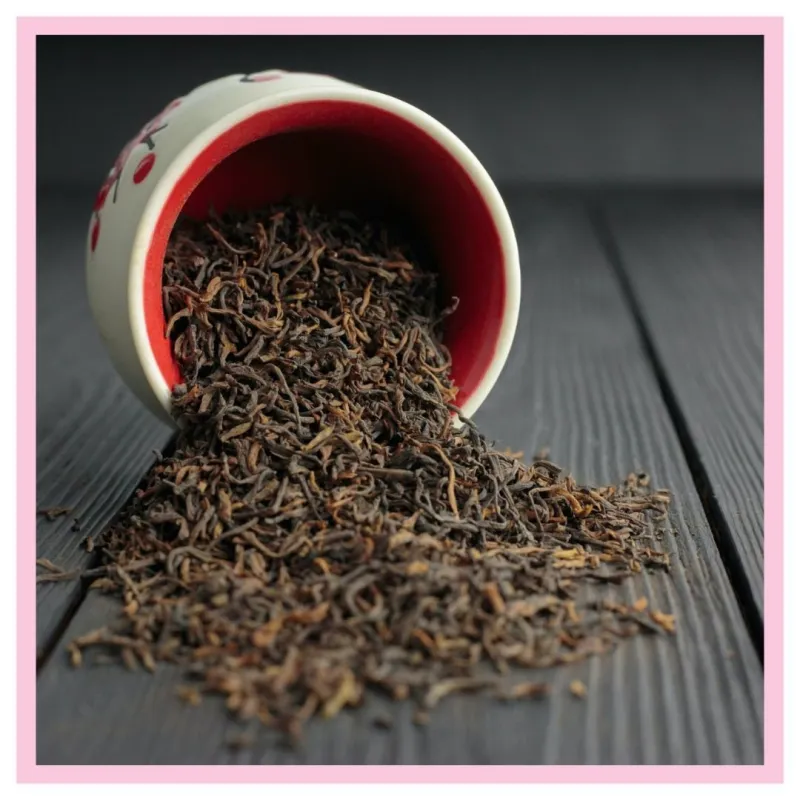
The Spice Rack Is Your New Tea Shop: Blending a Signature Cup at Home
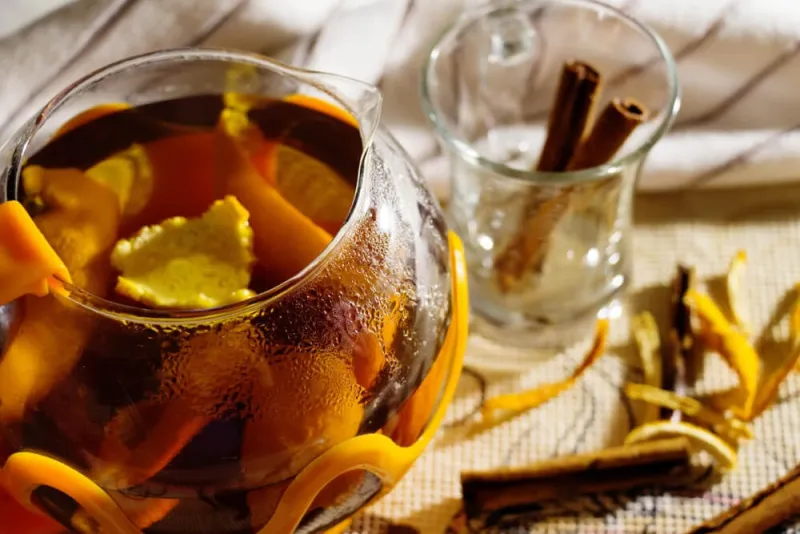
Photo: homemade tea blend spices jars cinnamon dried orange peel wooden table, via www.outdoorhappens.com
There's a moment every tea lover hits: you're standing in front of a $16 tin of 'Sunrise Chai Vanilla Bliss' and thinking, I bet I could make something like this.
You can. And you probably already own half of what you need.
Home tea blending sounds like a project for people with dehydrators and mail-order herb subscriptions, but the truth is humbler. A good blend is mostly a base tea plus one or two supporting players. Your spice rack — the one with the cinnamon from three Thanksgivings ago and the whole cloves nobody measures — is quietly stocked for this.
Start With a Base, Not a Recipe
Every blend needs a foundation, and black tea is the most forgiving. A decent Assam or Ceylon from any grocery store will do; it's sturdy enough to carry spices without disappearing behind them. Green tea works too, but it bruises more easily — go gentler with additions and cooler with water.
For a caffeine-free evening base, chamomile or rooibos steps in. Rooibos especially is a blender's secret weapon: naturally sweet, honey-like, and nearly impossible to ruin.
The Supporting Cast Is Already in Your Kitchen
Open the cabinet and take inventory. You're looking for:
- Cinnamon sticks (not pre-ground — sticks hold their flavor and don't turn your blend dusty)
- Whole cloves, cardamom pods, star anise
- Dried citrus peel — or make your own by drying orange and lemon zest on a sheet pan at 200°F for about two hours
- Dried mint from the tea aisle, or fresh mint dried on a windowsill for a week
- Ginger, sliced thin and dried, for warmth with a little bite
If you're buying anything new, hit the bulk bins at your grocery co-op or a local international market. Whole spices cost a fraction there compared to the bottled spice aisle, and you can buy two tablespoons instead of two jars.
Ratios That Won't Betray You
Blending isn't chemistry, but a few guardrails help. Per cup of dry base tea, try:
- Strong spices (clove, star anise): a pinch — these bullies take over fast
- Medium players (cinnamon, cardamom, dried ginger): about a teaspoon
- Gentle notes (citrus peel, dried petals, mint): a tablespoon or more
Mix in a clean jar, shake it, and let the blend sit for a day or two before judging. Spices need time to get acquainted with the leaf, and a blend that tastes shy on day one often blooms by day three.
A Tasting Worksheet You Can Scribble On
Keep it simple. For each test batch, write down four things:
- Smell: What hits first — spice, citrus, sweetness?
- Sip: Is anything missing? Is anything shouting?
- Finish: Does the flavor linger or vanish?
- The tweak: One change for the next batch. Just one.
That last rule matters. Adjust a single variable at a time and you'll actually learn what each ingredient does. Adjust three and you've learned nothing.
Three Starter Blends
The Morning Stand-In (for when coffee feels like too much): 4 parts Assam, 1 part dried orange peel, ½ part cardamom, a crack of black peppercorn. Brew strong; add milk if you're feeling like it's Sunday.
The 2 P.M. Reset (afternoon focus without the jitters): 3 parts green tea, 1 part dried lemongrass or lemon peel, 1 part mint. Steep three minutes, no longer, or the green goes bitter and undoes all your good work.
The 9 P.M. Exhale (wind-down, caffeine-free): 3 parts rooibos, 1 part chamomile, ½ part cinnamon stick, one dried lavender bud per serving — and I mean one. Lavender is a guest, not a co-host.
Store It Like You Mean It
Your blend deserves better than the bag it came in. Airtight glass jars, away from the stove's heat and the window's light, will keep most blends bright for a couple of months. Label them with the date — future you will want to know whether that jar is a triumph or an experiment.
The real payoff isn't savings, though those are nice. It's the morning you brew a cup that exists nowhere else on earth, pour it into your favorite mug, and realize the whole thing started with a dusty jar of cardamom and an idle thought. Sip slowly. You made this.