From Leaf to Highway: Chasing America's Quiet Tea Harvest
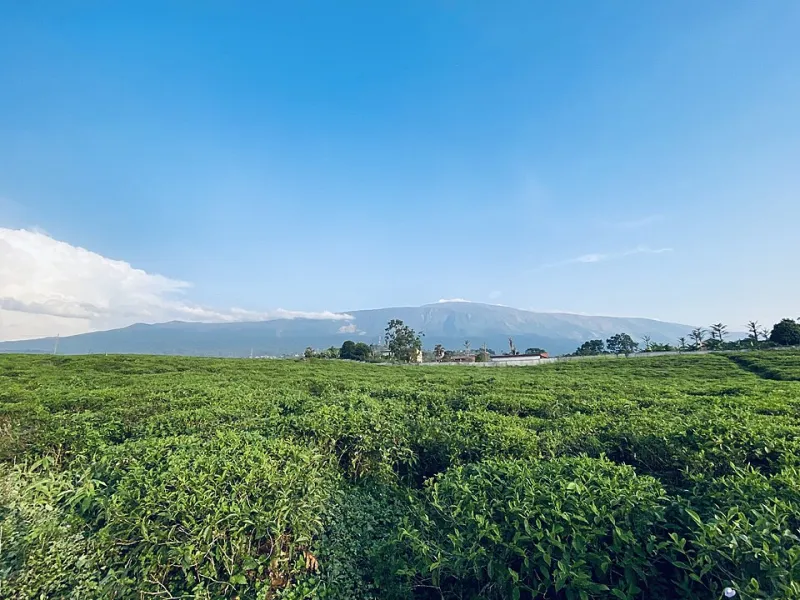
Photo: Adesolive, CC BY-SA 4.0, via Wikimedia Commons
Somewhere between the third coffee refills and the endless iced lattes, a quiet revolution has been steeping — literally. Tea is being grown on American soil, and not just on the one plantation your eighth-grade teacher mentioned. From the Lowcountry of South Carolina to misty hillsides in Oregon, a scattered network of small growers is proving that the next great craft movement might not come out of a barrel or a brewery, but off a two-leaf-and-a-bud pluck.
So we did what any curious sipper would do: we mapped a route, packed a thermos, and hit the road.
Why American Tea, and Why Now?
The Camellia sinensis plant is pickier than people assume. It wants humidity, mild winters, acidic soil, and patience — lots of it. A new tea plant takes about three years before its first real harvest, which explains why American tea is still a niche affair measured in pounds, not tons.
But that scarcity is the point. These are micro-lots in the truest sense: single gardens, hand-plucked, pan-fired by growers who answer their own customer service emails. If you loved the moment when craft chocolate and single-origin coffee went mainstream, this is your front-row seat.
Stop One: The Lowcountry Classic — Charleston, South Carolina
Start where American tea history lives. South Carolina's humid subtropical coast is the closest thing the US has to a traditional tea climate, and it's home to the country's oldest working tea garden. Walk the rows, take the factory tour, and taste the difference that a genuinely humid growing season makes — the black teas here lean smooth and slightly sweet, with a baked-fruit finish that needs no doctoring.
Tasting note: Look for American Classic-style black teas with notes of sweet potato, honey, and a soft, rounded finish.
Stop Two: The Piney Woods — Deep East Texas
A detour most road-trippers skip, and they shouldn't. A handful of small farms tucked into East Texas's pine belt are coaxing tea out of red soil and long, hot summers. The resulting teas are bolder — think brisk black teas with a whisper of smoke, the kind that stand up to ice and a porch swing.
Stop Three: The Gulf Coast Experiment — Mississippi and Alabama
Small university-backed research plots and backyard growers dot the Gulf states, where tea grows almost wearily well in the heat. This is the frontier of the movement — much of what's produced here sells out to local tea bars before it ever hits a website. Call ahead. Knock on doors. This leg of the trip is less about tasting rooms and more about meeting people who genuinely love the plant.
Stop Four: The Pacific Northwest Cool-Climate Cup — Oregon and Washington
Complete opposite energy. In the Willamette Valley and up into Washington, growers are working with cool nights and long daylight hours, producing teas with bright, almost alpine character. Green teas from these smallholdings can taste like snap peas and sea air — a flavor profile you won't find from any Asian growing region.
Tasting note: PNW greens often show grassy, maritime notes with a clean mineral finish. Brew them cool and short.
How to Order Direct (Because You Should)
- Buy at harvest. American farms sell out fast, usually in fall. Sign up for email lists in spring.
- Ask about the pick. Small farms can tell you the exact plucking date — a luxury even big importers can't always offer.
- Expect small packets. Two-ounce bags are normal. This is specialty agriculture, not commodity shipping.
- Support the affiliates. Many growers sell through regional co-ops if the farm store is empty.
The Route at a Glance
A full loop runs roughly 4,000 miles if you do it all: Charleston up through the Carolinas, west to Texas, along the Gulf, then a flight (or a very committed drive) to the Pacific Northwest. Or do what most of us do — pick one region, spend a long weekend, and let the tea do the traveling.
Sip slowly. Steep beautifully. And this summer, consider a cup that never crossed an ocean to reach you.