When the Lights Go Out, the Kettle Doesn't Have To: A Blizzard-Day Tea Survival Plan
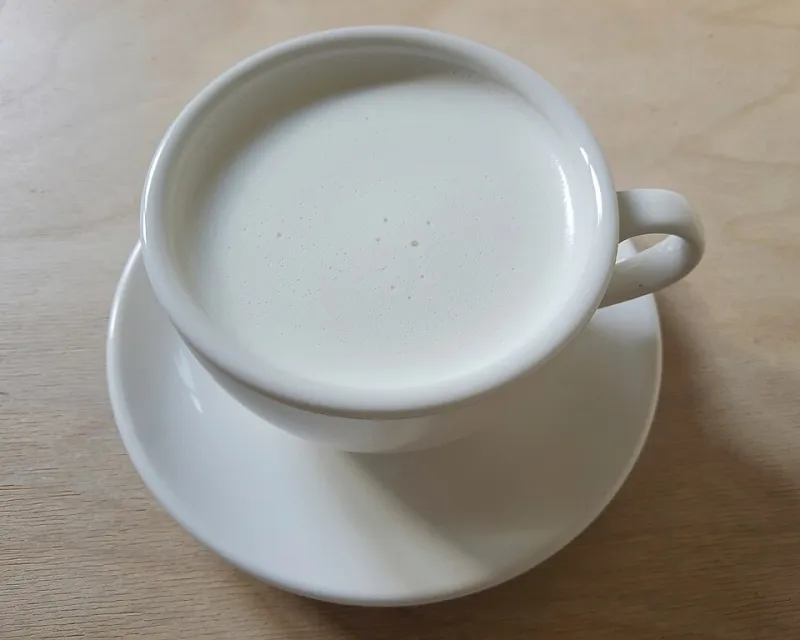
Photo: Scudsvlad, CC BY-SA 4.0, via Wikimedia Commons
The first hour of a power outage is almost charming. The snow's coming down sideways, the house has gone quiet, and someone says, "Well, I guess we're doing this the old-fashioned way." By hour four, the charm has worn off, the thermostat is a museum piece, and what you'd give for something warm in your hands.
That's exactly when tea earns its keep. But a blizzard changes the rules — no electric kettle, no microwave, maybe not even a gas range if you're in an all-electric apartment. With a little planning, though, you can sip your way through a daylong outage without once thinking about the breaker box.
Build Your Storm Shelf Before You Need It
Every tea drinker in snow country should have a small, dedicated kit that lives somewhere easy to reach — a basket in the pantry, a drawer by the fireplace. Think of it as the tea equivalent of the flashlight-and-batteries box.
What goes in it:
- Hardy, forgiving blends. Black teas, oolongs, and smoky lapsang souchong hold up beautifully to imperfect water temperature and long steeps. Save the delicate first-flush darjeelings for calm weather.
- Herbals with body. Rooibos, honeybush, and cinnamon-heavy chai blends taste cozy and don't get bitter even if they sit steeping far too long — which they will.
- A thermos that actually seals. This is the single most important piece of gear. A good vacuum flask is your power-free teapot all day long.
- A camp stove or kettle for the grill. If you have a gas range, you can still boil water with a match. If not, a propane camp stove on the porch (never indoors) covers you.
- Honey, sugar cubes, shelf-stable milk. Sweeteners don't need refrigeration, and sugar cubes portion perfectly when you're rationing.
The Thermos Is Your Teapot Now
Here's the trick that makes the whole plan work: instead of brewing cup by cup, make one large batch while you still have heat, then keep it in the thermos.
Preheat the flask first with boiling water, dump it, then add your leaves — about one and a half times your normal amount, since you'll be steeping for a big volume. Fill with hot water, close it up, and you've got hot tea for six to eight hours. The leaves keep steeping in there, which is exactly why you chose sturdy blends. A strong Assam or a spiced rooibos just gets richer; a green tea would turn bitter and sad.
If you're worried about over-steeping, use a large paper filter or a big infuser basket you can pull out after ten minutes, then reseal the thermos with just the liquid inside.
Making One Batch Last a Whole Gray Day
Think of your outage in phases:
- Morning (hot water is plentiful): Brew the big batch. Black tea with a pinch of cinnamon and clove — something that smells like the holidays and hides any slightly-off boiled water.
- Midday (first thermos rounds): Pour cups straight. If the tea has gotten very strong, cut it with a splash of room-temperature water or sweeten it. Nobody's judging the ratio during a blizzard.
- Afternoon (the slump): This is where herbals shine. If you have a second thermos or even a wide-mouth insulated bottle, a rooibos brew made in the morning is still pleasantly warm by now.
- Evening (the long dark): Whatever's left gets doctored — a spoonful of honey, a shake of nutmeg, maybe a splash of that shelf-stable milk. At this point it's less tea, more winter punch, and that's fine.
No Heat? The Candle Trick
If the power's out and the stove is electric, you can still get water warm — just not boiling. Set a cast-iron pot or any heavy-bottomed pan over a cluster of votive candles or a sternos-style camp heat source (again, ventilation matters, and never leave flames unattended).
You won't reach a rolling boil, but water in the 130–160°F range is plenty for most tea, especially if you extend the steep time. Honestly, some of the best cups I've had during outages came from barely-simmered water and a long, patient steep while the wind howled. Low and slow suits a snow day.
And if even that's not happening, here's the coldest consolation prize in the tea world: fill a jar with cold water, add tea bags, and set it in the snowbank outside your door. Snow-brewed iced tea in the middle of a blizzard is a genuinely great story.
The Real Point of the Storm Shelf
There's a reason tea shows up in every disaster plan from here to the Scottish Highlands. It's not caffeine — it's the ritual. The act of warming your hands around a cup, of doing one small familiar thing when everything else has gone sideways, is its own kind of shelter.
So assemble the kit now, while the forecast is boring. Sturdy blends, a trustworthy thermos, a way to heat water, and something sweet. Then, when the next nor'easter has a name and your street has a curfew, you'll be the calmest house on the block — thermos full, candles lit, steeping beautifully.