A Little Smoke Goes a Long Way: How to Brew Smoked Tea Without the Ashtray Finish
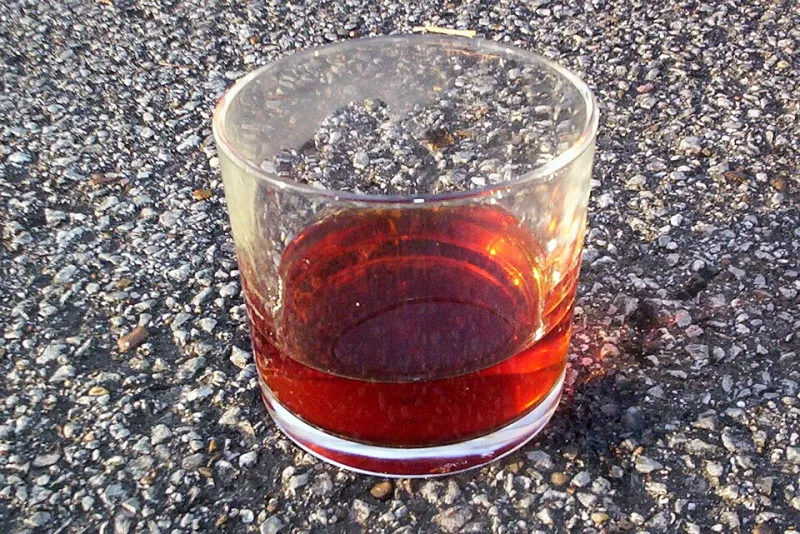
Photo: No machine-readable author provided. Deltabeignet assumed (based on copyright claims)., CC BY-SA 3.0, via Wikimedia Commons
There is a specific moment in late autumn when a cup of smoked tea stops being a novelty and starts being the whole point. The light goes flat at four in the afternoon, the radiator clicks on, and something in your brain wants woodsmoke. Smoked tea delivers that in about four minutes, no fire pit required.
It also has one of the worst failure rates of any tea style. Brewed badly, it tastes like licking the bottom of a grill. The leaf is rarely the problem. The dose and the clock usually are.
Where the Smoke Actually Comes From
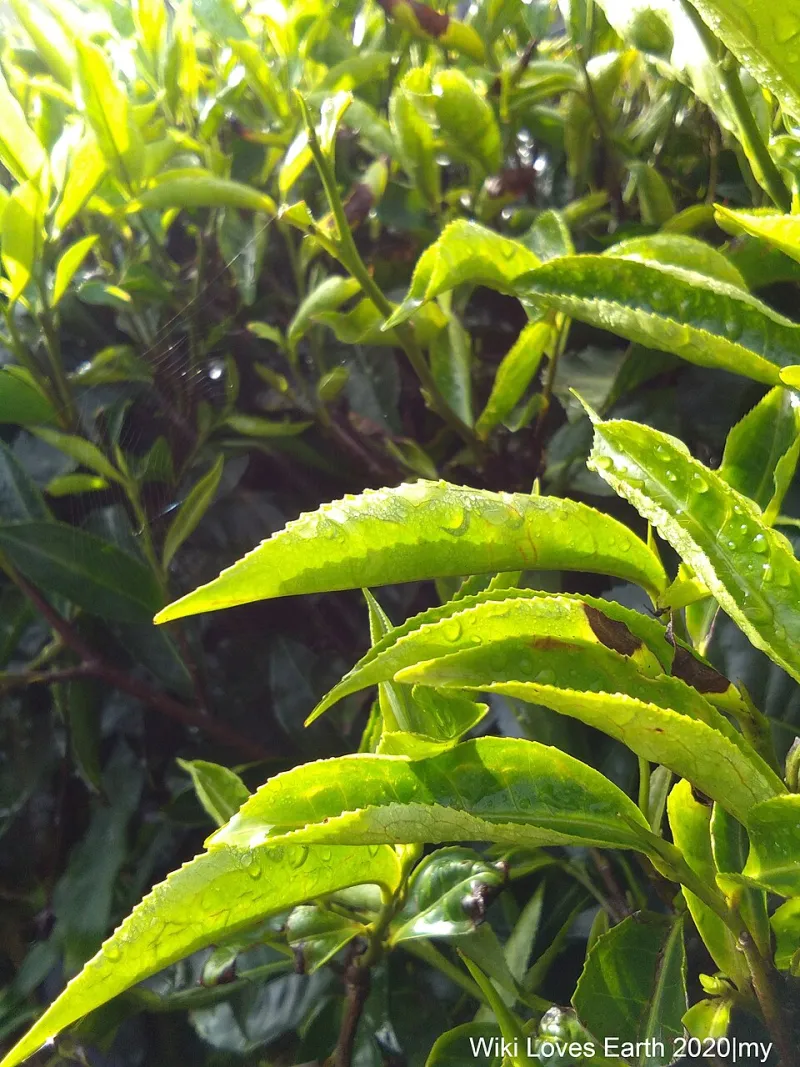
Smoke in tea is not a flavoring added at the end. It is a drying method, and in the traditional version it is remarkably old-fashioned: fresh-picked leaves are withered, rolled, then dried over smoldering pinewood fires, sometimes for hours, in wooden huts. The leaves absorb the smoke the way a sweater absorbs a bonfire. The result is tarry, resinous, and — this is the key — intensely concentrated. A traditional pine-smoked black weighs in closer to a seasoning than a beverage.
Other routes exist. Some producers smoke over different woods, some make lightly smoked versions for export palates, and plenty of blenders fold a small amount of smoked leaf into a larger base so the cup reads as smoky rather than scorched. That last category is where most Americans actually start, and it is a friendlier place to begin.
Three Styles Worth Knowing
Traditional pine-smoked black (Lapsang Souchong). The original. Big, tarry, almost medicinal, with a long finish that some people find thrilling and others find aggressive. Look for a version described as smoked over pine or cedar. Expect dark, oily-looking leaf and a very strong aroma the moment you open the tin.
Russian Caravan blends. Historically a blend built to survive long overland journeys, and today usually a mix of black teas with a modest proportion of smoked leaf. This is the training-wheel style, and there is no shame in it. You get smoke as a background note rather than a punch, and it behaves well with milk.
Lightly smoked and small-batch smoked blacks. Plenty of small American blenders now offer smoked blacks with a gentler hand — a few hours over smoke rather than a full day. These brew like a normal black tea and are the easiest entry point if you are smoke-curious but nervous.
Ratios That Keep It Civil
The single biggest mistake with smoked tea is using the same leaf-to-water ratio you use for everything else. Do not. Smoke is a strong aromatic; a normal dose of a tarry Lapsang produces something closer to a campfire than a cup.
Start here for a traditional pine-smoked black: 2 to 2.5 grams of leaf per 8 ounces of water, just off the boil at 200 to 205°F, steeped 2 1/2 to 3 minutes. That is roughly half of what you would use for a plain Assam. Taste it. If you want more smoke, add leaf next time before you add time — long steeps pull out the harsh, creosote-like notes, not the pleasant ones.
For a Russian Caravan or a lightly smoked black, brew closer to normal: 3 grams per 8 ounces, 205°F, 3 to 4 minutes. These take a second steep happily, and the second cup is often rounder than the first.
Two practical habits. First, use a basket or strainer you can pull out — smoked tea left sitting on the leaf goes bitter fast. Second, store it in its own airtight tin, ideally double-bagged. Smoke migrates. Your delicate green tea does not want to know about it.
The Four Mistakes That Ruin It
Overleafing out of habit. Two scoops because two scoops is what you always do. Start with one.
Steeping long to get more flavor. You will get more flavor. Specifically, the acrid, burnt-panel flavor. Shorten the steep instead.
Burying it in milk and sugar. A little milk is fine with Russian Caravan, but a heavy pour turns smoked tea into a sweet, ashy latte. If you need that much milk, you probably do not like smoked tea, and that is allowed.
Brewing it in a vessel you love. Smoke lingers in unglazed clay and in silicone lids. Use glass or glazed ceramic for your experiments.
What to Eat With It
Smoked tea is a food tea in a way most blacks are not. It wants fat, salt, and dark sweetness.
- Sharp aged cheddar and crackers
- Dark chocolate with sea salt
- Brisket, pulled pork, or anything off a smoker
- Maple-glazed anything, especially roasted carrots
- A buttered slice of dark bread at 4 p.m., which is arguably the highest use of the whole category
Skip the delicate pastries. A lemon shortbread under a cup of pine-smoked black is a losing matchup for the cookie.
A Winter Way to Drink It
For a cold-weather treat, steep 3 grams of lightly smoked black in 6 ounces of 205°F water for 3 minutes, then top with 4 ounces of steamed milk and a teaspoon of maple syrup. It drinks like a fireplace in a mug — campfire nose, sweet finish, no bitterness if you pulled the leaf in time. Keep the servings small. This is a two-cup-a-season kind of tea, not a daily habit, and it is better for the restraint.
Smoked tea rewards a light hand more than almost any other style in the cupboard. Half the leaf, a shorter steep, and a smaller cup. Do that and the smoke reads as warmth instead of wreckage.