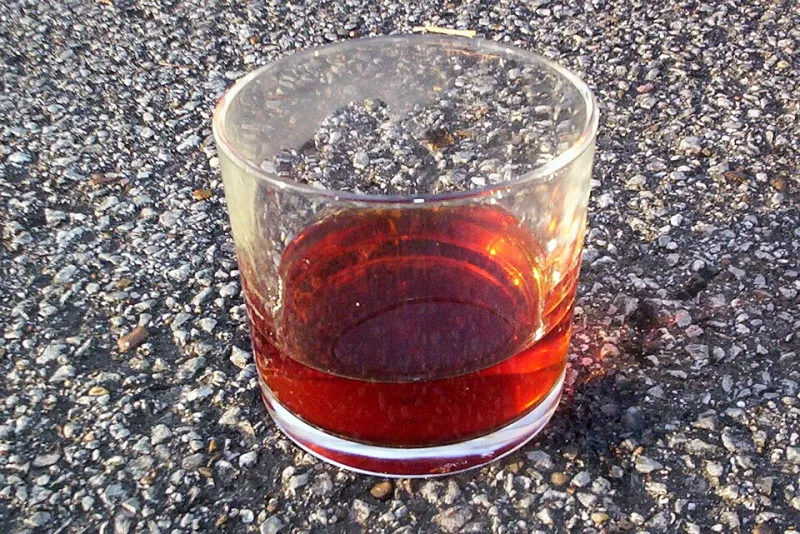
The Cup Changes the Tea: What Ceramic, Glass, Steel, and Paper Do to the Same Brew
Photo: Pro QueeNia, CC BY-SA 4.0, via Wikimedia Commons
Here is an uncomfortable truth for anyone who has spent months dialing in a brewing ratio: the vessel gets a vote. Pour the same tea into a thick stoneware mug, a thin glass tumbler, a vacuum-sealed steel travel cup, and a paper cup from the corner deli, and you will get four drinks that a blind taster could separate. Sometimes easily.
This is not mysticism. It comes down to three measurable things — how fast heat leaves, how well aroma reaches your nose, and what the material itself is doing to the surface of the liquid. Understand those three and you can stop blaming your leaves.
Heat Retention: The Biggest Lever
Aroma compounds are volatile, which is a polite way of saying they leave. The hotter the liquid stays, the longer those compounds keep rising into your nose instead of condensing on the rim. Heat also drives extraction: a cup that drops to lukewarm in four minutes tastes thinner than one that holds its temperature.
Thick-walled ceramic wins here. Stoneware and heavy porcelain hold heat for a long time — often too long, if you like a green tea you meant to drink at 175°F. Thin glass loses heat fastest, which makes it a poor choice for a slow morning and a great choice for a tea you want to watch cool and change. Double-walled glass splits the difference and looks good doing it. Vacuum-sealed stainless is the strongest performer of the bunch, holding near-boiling temperatures for over an hour, which is why it lives in your car.
Aroma: Wide Rims Beat Tall Walls
Nose is most of taste, and the shape of the rim decides how much vapor reaches it. A wide, flared opening sends aroma up and out — great for oolong and anything floral, where the point is the smell. A tall, narrow mug concentrates vapor but cools it on the way up.
Material matters here too, but indirectly. Glazed ceramic is essentially inert; it reflects aroma back at you. Unglazed clay, on the other hand, is porous and will hold onto smells from every tea you have ever put in it — lovely if you dedicate it to one type, a mess if you do not. Glass is the most honest material in the cabinet: no absorption, no residue, and you can see the leaf open, which is both useful and mildly hypnotic.
What Each Material Actually Does
Ceramic (glazed). Neutral, heat-retentive, forgiving. The default for a reason. Best for black teas, roasted oolongs, and anything you drink slowly. A thick mug will mute a delicate white tea into near-nothing.
Glass. Fastest heat loss, cleanest flavor transmission. If you want to taste a tea exactly as it is and watch the leaves unfurl, glass is the tool. Use it for greens, whites, and light oolongs — teas you will finish in five minutes anyway.
Stainless steel. Excellent at holding temperature, poor at staying invisible. An unlined steel cup can throw a faint metallic edge that delicate teas amplify; strong blacks and chai bury it. Vacuum insulation also means the tea keeps cooking if you leave the leaves in, so use a basket you can pull.
Paper. The compromise cup. A coated paper cup absorbs aroma into the seam and contributes a faint papery note that gets worse the longer the tea sits. Fine for a strong, milky black on a commute. Actively unkind to a $30 oolong.
Run the Triangle Test Yourself
You do not need lab equipment, just four identical brews and someone willing to hand you cups in random order.
- Brew one pot of tea — a medium-bodied oolong is ideal, since it has both aroma and body to lose.
- Divide it evenly among four vessels: ceramic, glass, steel, paper. Same volume, same starting temperature.
- Wait five minutes. This is the part people skip, and it is the whole test.
- Have someone label the cups A through D and turn them so you cannot see which is which. Taste each, write down what you notice — heat, smell, texture, aftertaste — and rank them.
- Repeat with a black tea and a green tea on separate days.
Most people find the glass cup tastes brightest and goes cold first, the ceramic cup tastes roundest and stays warm, the steel cup holds heat but flattens the middle, and the paper cup tastes like the cup. Your palate may disagree, which is the interesting part.
Practical Picks by Situation
For the desk. A glazed ceramic mug with a wide mouth sinks heat slowly and does not punish you for forgetting it for ten minutes. Add a small infuser basket you can lift out.
For travel. Vacuum-sealed stainless, no question — but brew light. Leaf left in hot steel for an hour turns bitter in a way that no amount of milk fixes.
For the slow morning. Double-walled glass. It keeps the tea warmish, shows you the leaf, and gives you a reason to sit still for the length of one steep.
For the office kitchen. Whatever is clean and not chipped. This is not the place for your best porcelain.
The modest takeaway: if a tea suddenly tastes wrong, check the cup before you check the tin. Half the time, the leaves were fine and the mug was the problem.