Cardamom Country: Chasing Chai Down America's Back Roads
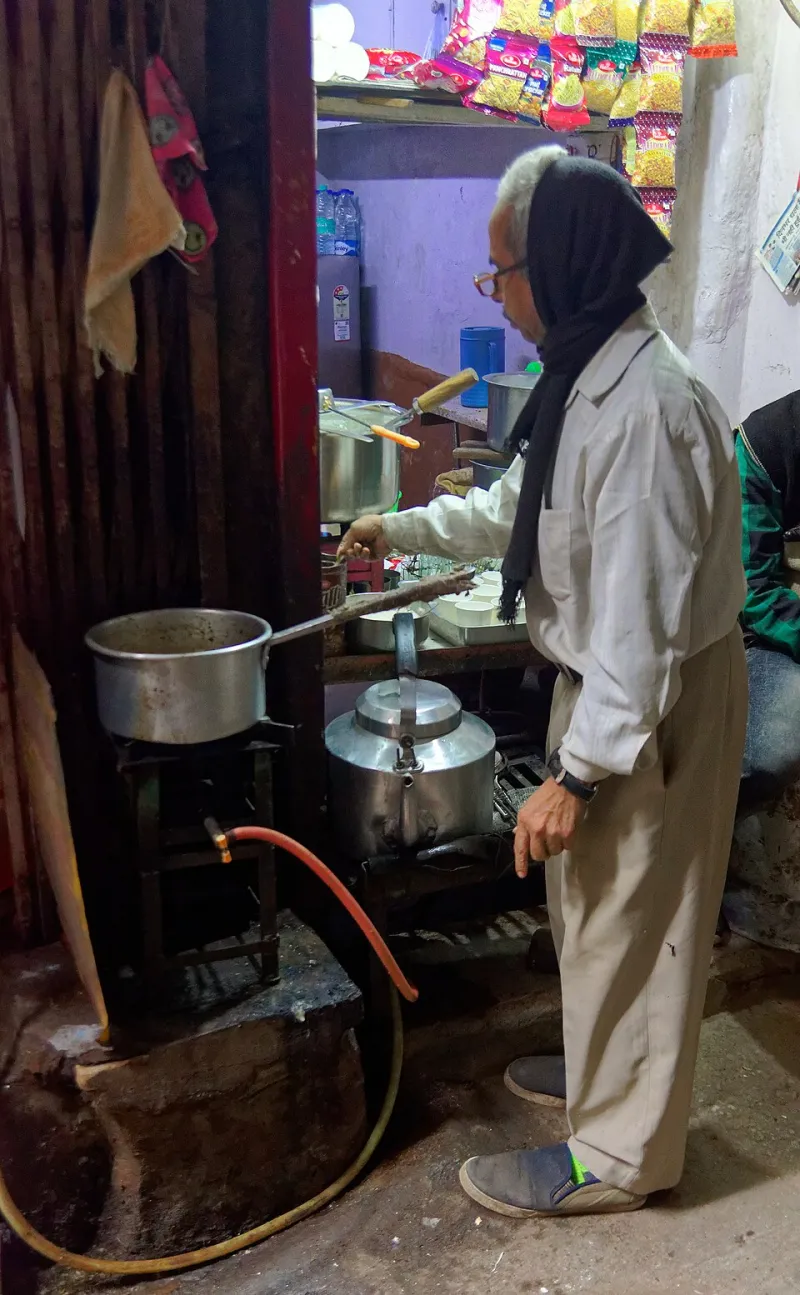
Photo: Jakub Hałun, CC BY-SA 4.0, via Wikimedia Commons
There's a moment on every long drive when the coffee stops working. Not physically — the caffeine is fine — but spiritually. You've had four refills of burnt diner coffee, your hands smell like a truck stop, and what you actually want is something warm, spiced, and slow. Increasingly, across American highways, what's waiting at the next exit is chai.
The Quiet Takeover of the Roadside Cup
Masala chai didn't arrive in America through glossy café chains. It came the way most good food traditions do: in the hands of families who opened small shops and refused to water things down too much. Over the last two decades, immigrant-run tea houses have popped up along the corridors where people actually drive — the truck-heavy stretches of I-80, the strip malls off I-95, the two-lane roads through central Texas. Many of them took over old diner spaces, keeping the counter, the stools, and the bottomless-mug hospitality, but swapping the pot for something simmered with cardamom, ginger, and clove.
The result is a genuinely American invention: the chai diner. Part truck stop, part living room, all steam.
Three Stops, Three Families
The Texas Mile Marker. Outside Waco, in a former chicken-fried-steak joint with a sixteen-wheel parking lot, a Gujarati family runs a counter that pours roughly two hundred cups a day to truckers and college students alike. Their chai leans sweet and gingery — built to survive the thermos. The patriarch, who drives the spice order up from Houston himself, told us the trick is blooming the whole spices in the milk fat before the water ever goes in. "Coffee wakes you up," he shrugged. "Chai makes you feel like somebody's waiting for you."
The Jersey Turnpike Wallah. In Edison, New Jersey — home to one of the largest Indian-American communities in the country — a second-generation owner runs a tiny shop next to a diner her parents once worked in. Her version is more traditional: strong Assam base, less sugar, a hit of fennel. She sells it in paper cups to commuters who do U-turns for it. "My dad made chai in the diner back for thirty years before anyone here called it a business," she says. "Now the diner sends customers over."
The Pacific Northwest Slow Pour. In a converted logging town café in Oregon, a Nepali-American couple simmers chai in a copper pot on a wood stove. Their version uses honey from a neighbor's hives and a black pepper kick that clears your sinuses on foggy mornings. It's become an unofficial stop for drivers on Highway 26, many of whom first walked in just to use the restroom.
How Spice Learned to Speak American
Here's the honest truth about chai in the US: it adapted, and that's not a betrayal. American palates pushed it sweeter and milkier. Coffee shop "chai lattes" — often syrup-based — created a gateway that family tea houses then corrected, one real cup at a time. The arc looks a lot like what happened to salsa, bagels, and barbecue: an immigrant tradition becomes an American one by being argued over, tweaked, and eventually defended by everyone.
What's changed recently is the sourcing. Many of these shops now buy loose Assam or CTC black tea directly, grind their own spice weekly, and treat the blend like a family recipe worth protecting. That's a very Teas Bay idea: the cup is only as good as what's in it.
A Starter Blend for Your Next Drive
Before you log highway miles, make a jar of your own masala. This is a forgiving, road-trip-proof starting point:
Roadside Chai Blend
- 4 tbsp strong black tea (Assam or CTC works best)
- 2 tsp green cardamom pods, lightly crushed
- 1 tbsp whole cloves
- 1 tbsp black peppercorns
- 2 tsp fennel seeds
- 1 small cinnamon stick, broken
- 1 tbsp ground dried ginger
Combine, store airtight away from light, and use about one tablespoon per cup. On the stove: simmer the blend with equal parts water and whole milk, add sweetener of choice, bring to a rolling bubble, strain, and pour. In a pinch, a thermos and a rest-stop picnic table work fine.
The New American Road Map
The next time you plan a drive, skip the app for once and ask around. Chances are there's a family-run shop within a few miles of your route, simmering something better than anything in a to-go machine. Order it sweet the first time, less sweet the second. Learn the owners' names. That's not just a beverage stop — that's the road trip getting better, one spiced cup at a time.