Your Kettle Deserves Better: The Hidden Ingredient That Makes or Breaks Every Cup
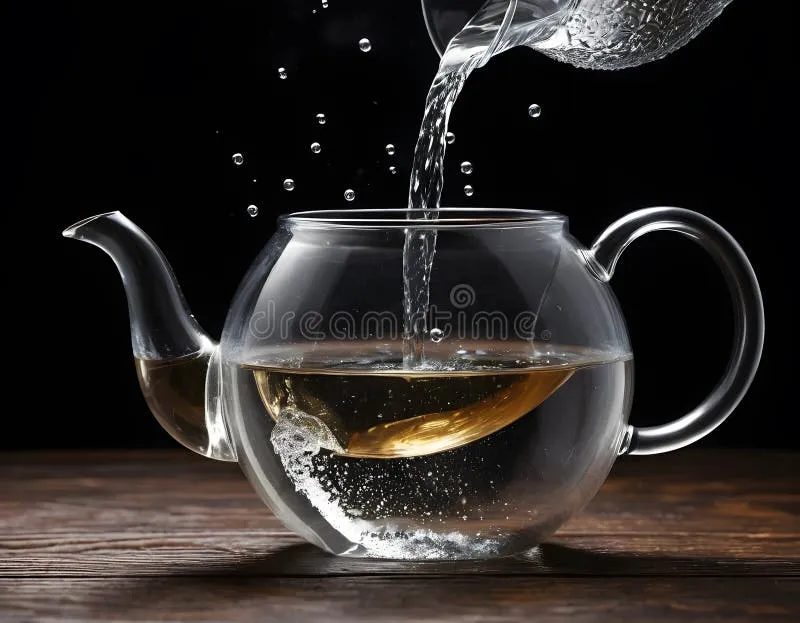
Photo: kettle pouring hot water into glass teapot with loose leaf tea on wooden table, via thumbs.dreamstime.com
Here's an uncomfortable truth about tea: the leaf is maybe half the story. The other half is what you pour over it. Water makes up roughly 98% of your finished cup, which means every brewing guide you've ever followed — the 175°F, the three-minute steep, the fancy gaiwan — is all happening inside a liquid you've probably never thought twice about.
We didn't either, until we brewed the exact same green tea four times in one afternoon using four different waters. The results were so different that we double-checked the labels to make sure we hadn't mixed up the tins. Same leaf, same temperature, same timer. Completely different teas.
The Side-by-Side Experiment
We kept it simple and domestic. One organic sencha, four kettles, one very patient afternoon.
Tap water (city municipal supply): The cup tasted... muted. There was a faint swimming-pool note underneath the grassiness, and the finish fell off a cliff. Nothing offensive, nothing memorable. A perfectly fine tea wearing a raincoat.
Basic carbon-filter pitcher: Better. The chlorine edge was gone and the sweetness came forward a bit. Still slightly flat, like a song played at half volume.
Spring water (store brand, gallon jug): The revelation. The same sencha suddenly tasted rounder, sweeter, almost brothy. The umami that had been hiding in the other cups was front and center. This was the tea we thought we'd bought.
Distilled water: The cautionary tale. Flat, hollow, weirdly metallic. Distilled water has had its minerals stripped out, and it turns out tea needs those minerals to pull flavor from the leaf. It was like brewing with a photograph of water.
What's Actually Happening in Your Kettle
Two things matter most: hardness and chlorine.
Hardness is dissolved calcium and magnesium. A little of it is good — those minerals bind with tea compounds and help extract flavor, body, and that satisfying mouthfeel. Too much, though, and the minerals start bullying the delicate compounds, muting brightness and leaving a chalky film in your cup (and on your kettle, which is the same story told in limescale).
Chlorine is the flavor-killer. Municipal supplies use it to keep water safe, which we appreciate, but it doesn't do your oolong any favors. It flattens aromatics and adds that faint pool-deck note.
The Goldilocks zone, per tea pros, is moderately soft water with some mineral content — think a total dissolved solids reading somewhere in the middle, not the extremes on either end.
Know Your Region, Know Your Cup
Where you live in the US shapes what's coming out of your tap:
- The Southwest (Phoenix, Las Vegas, Albuquerque): Some of the hardest water in the country. Your black teas are probably fighting through a mineral wall. If your tea tastes dull or bitter no matter what you do, it's probably not you.
- The Midwest and Texas: Hard to very hard, generally. Similar story — filtration helps a lot.
- The Northeast: A mixed bag; many city supplies run moderate. You may be fine with a simple filter.
- The Pacific Northwest (Seattle, Portland): Blessed with famously soft water. Your delicate greens and whites are already living their best life. Ironically, you might want a touch more mineral content for robust blacks — a splash of spring water does wonders.
- Florida: Hard water in most of the peninsula, plus noticeable chlorine. Filter first, ask questions later.
The Budget-Friendly Fixes
The good news: you don't need a $300 countertop reverse-osmosis system to rescue a $5 tin of tea.
- Start with a carbon filter pitcher or faucet attachment. This is the single biggest upgrade for most American households. It knocks out chlorine and some dissolved solids for pennies per cup.
- Blend your waters. Half filtered tap, half cheap spring water gets you into the sweet spot for most teas. Tea shops have done this for decades.
- Skip distilled entirely — and be wary of "purified by distillation" labels on bottled water for brewing.
- Let boiling water rest a minute if your tap has a strong chlorine smell; some of it flashes off as steam.
- Descale your kettle regularly. A vinegar-and-water rinse keeps old mineral buildup from seasoning every cup.
- For special teas, spring water is worth it. A gallon jug costs a couple of dollars and will brew ten or more pots. Save it for the leaves that deserve it.
The One-Minute Home Test
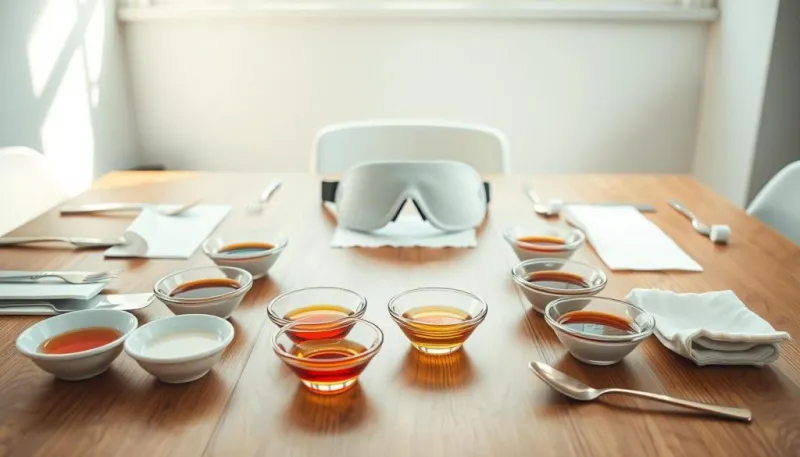
Not sure what you're working with? Brew the same tea in filtered water and straight tap, side by side, and taste them blind. If they taste identical, congratulations — your water is fine and you can stop reading articles like this one. If the filtered cup is noticeably sweeter or brighter, you've just found the cheapest flavor upgrade in tea.
Tea is a ritual of small attentions: the temperature, the timer, the quiet minute while the leaves unfurl. Water is just the next thing to notice. It's invisible in the cup, but it's been there the whole time, quietly deciding what your tea gets to taste like.