Dinner for Working Folks: The Tea Term America Got Completely Backward
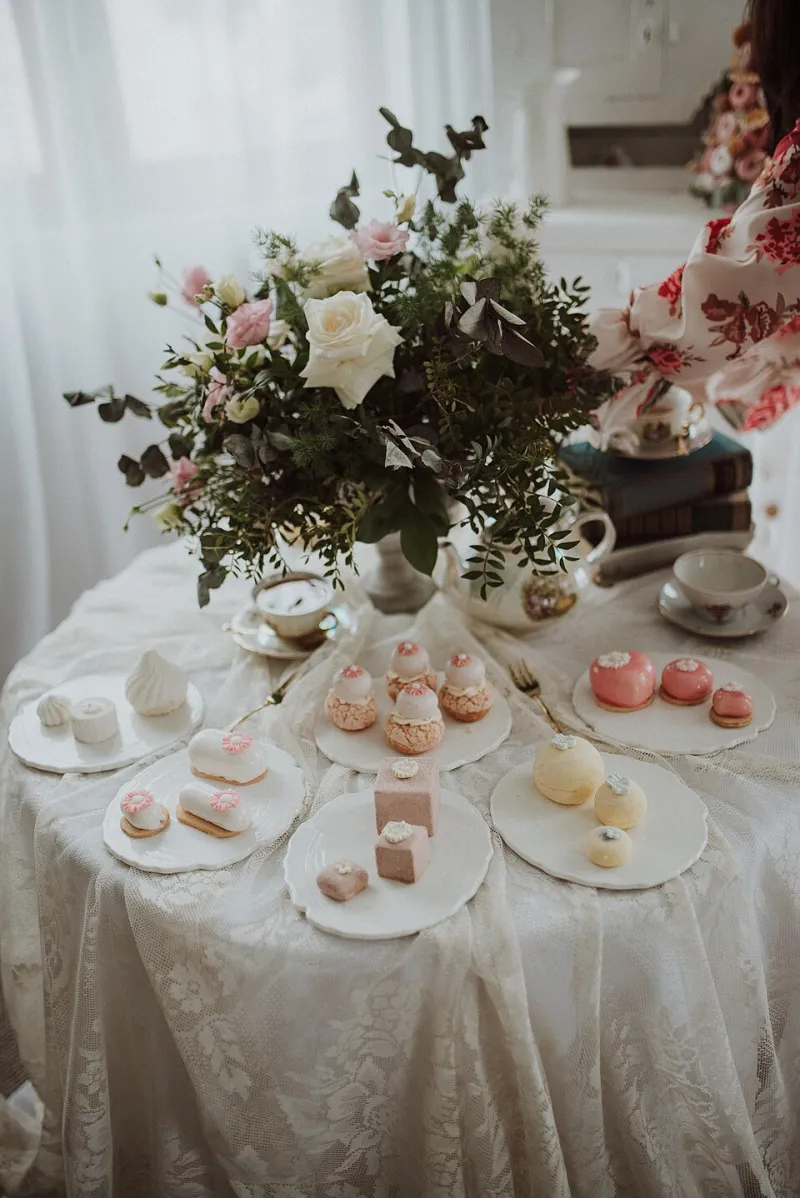
Photo: Shixart1985, CC BY 2.0, via Wikimedia Commons
There's a moment that happens in tea rooms across America, roughly once per weekend: a party of six settles into plush chairs, the hostess announces their 'high tea' reservation, and a server arrives with tiered stands of clotted cream, finger sandwiches, and pastel macarons.
It's lovely. It's genuinely lovely. It's also — and we say this with all the affection in the world — completely backward.
So What Was High Tea, Actually?
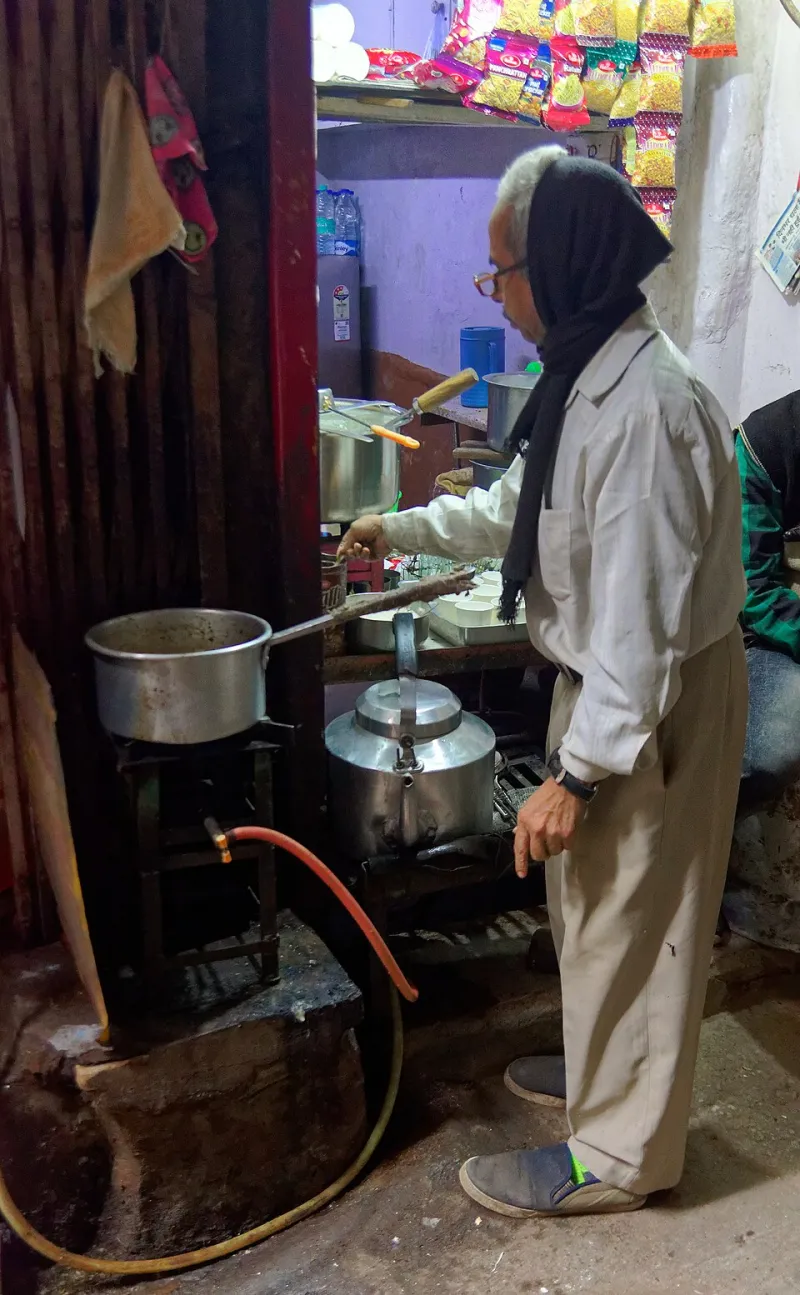
Strip away the doilies and the term is almost comically un-fancy. In industrial Britain, 'high tea' referred to the evening meal eaten by working-class families when they got home from factories and mines. The 'high' refers to the table — the high table, with actual chairs, where you'd sit for a real dinner. Think meat, bread, potatoes, a pot of strong tea to wash it down. Hearty, filling, eaten at the end of a long shift.
What Americans book when they splurge on a fancy hotel tea service is properly called afternoon tea — sometimes 'low tea,' because it was historically taken on low side tables in drawing rooms. It emerged in the 1840s, credited to Anna, Duchess of Bedford, who needed something to bridge the enormous gap between a light lunch and a fashionably late dinner. Her solution: tea, bread, small bites, taken while lounging. Aristocratic lounging, mind you.
So the class inversion is perfect. The meal of the laborer became, in the American imagination, the pinnacle of luxury. Meanwhile, the actual after-work dinner of working people got rebranded with chandeliers and a $75 price tag.
How We Got Here
Blame Gilded Age America, mostly. As American high society aped British aristocratic customs in the late 1800s, afternoon tea arrived as a status ritual — and somewhere in the transatlantic shuffle, the terms blurred. 'High' sounded grander, so grand it became. By the time tearooms boomed in early 20th-century America (they were, notably, a big part of the suffrage movement's social infrastructure), the mislabeling was locked in.
Honestly? Language does this. 'High tea' sounded elevated, so it stuck. We're not here to be the grammar police of teatime. But if you're going to drop real money on a tea service, it helps to know what you're ordering.
The American Tea Service, Judged Kindly
Here's our take: America hasn't just mangled the tradition — in places, we've genuinely improved on it. The best tea services in the US aren't museum reenactments. They're playful, regional, and unafraid to swap Earl Grey for something with more personality.
A few styles worth seeking out:
- The Southern reinterpretation. Rooms in Charleston and Savannah serve afternoon tea with benne seed shortbread, pimento cheese on white bread, and yes, sweet tea alongside the Assam. It shouldn't work. It works.
- The West Coast remix. Expect matcha service, yuzu curd tarts, and menus that read like a farmers market. Purists may clutch their pearls; we clutch our cups.
- The grand hotel classic. Places like the Drake in Chicago or the Plaza in New York have poured for a century, and the ritual — the pacing, the white gloves, the harpist — is the real deal, mislabeled terminology and all.
Your Field Guide to Booking a Proper Tea
Before you reserve, a few questions worth asking:
- Is tea actually the star? If the menu lists a single generic black tea and a couple of bagged herbals, that's a dessert service with a costume. A good program offers at least five or six loose-leaf options and staff who can talk about them.
- Is there a pour-it-yourself moment? Part of the ritual is learning the timing — a first steep at the table, a second steep before you leave. If they hand you a full cup and vanish, the theater is missing.
- Do the savory bites come first? Proper service runs savory to sweet, bottom tier to top. Not a law, but a good sign of a room that cares.
- What's the word on the menu? If it says 'high tea' alongside scones and macarons — order anyway. Just now you know something the menu doesn't.
Call It Whatever You Want, Then Sip
Look — the Duchess of Bedford would probably be baffled by a matcha white chocolate truffle, and a Sheffield steelworker would be baffled by all of it. Traditions bend. The point of an afternoon tea, whatever we call it, is the same point behind every ritual we celebrate here: you sat down, you slowed down, and for an hour the day belonged to the cup.
Book the reservation. Correct no one. Steep beautifully.