Liberty Tea and Cast-Iron Kettles: The Untold Story of How Tea Conquered the American Farmhouse
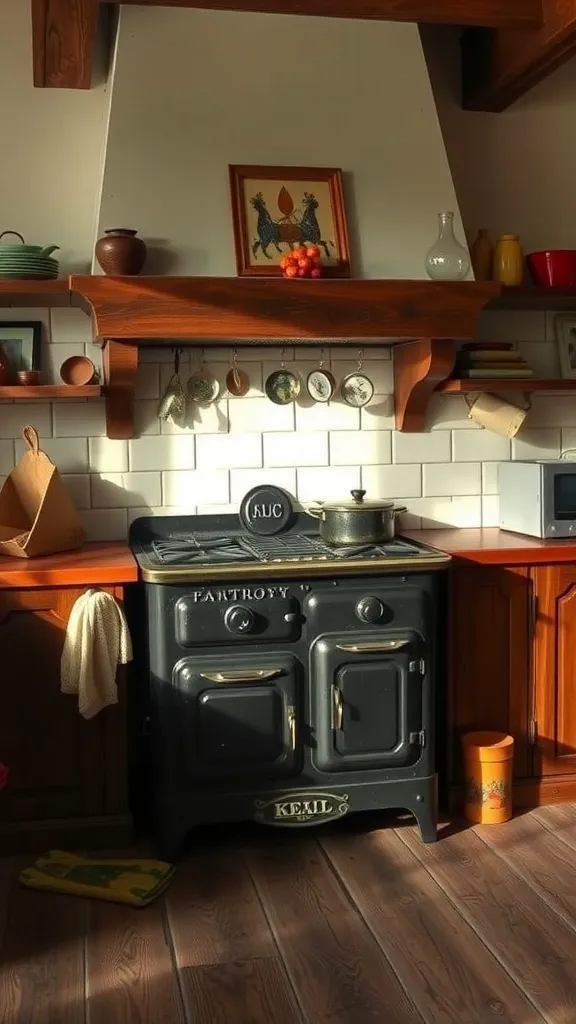
Photo: vintage farmhouse kitchen cast iron kettle wood stove, via harborandspace.com
Pour yourself something warm and settle in, because this is a story with more plot twists than a soap opera. Tea — that gentle, civilized beverage — has a wild past in this country. It sparked a revolution, got boycotted, went underground, and then somehow ended up in a tin on the shelf of every homestead between the Appalachians and the Rockies.
How did a drink we literally threw into Boston Harbor become a kitchen staple? The answer involves clever colonial women, railroad dining cars, and a Sears catalog that knew exactly what America wanted.
First, a Boycott
Let's get one thing straight: colonists loved tea. By the 1760s, the average American household was going through roughly a pound of the stuff every year — boiled hard, sweetened heavy, and served with just about every meal. Then Parliament started taxing it, and suddenly that little porcelain cup became political dynamite.
After the Tea Act of 1773, patriotic pressure turned tea drinking into something close to treason. Women led the charge, signing pledges to quit the leaf and, in some towns, staging their own mini tea parties — dumping merchant stock into the street when the men hesitated.
But here's the part that gets glossed over: people still craved something warm in their cup. So they improvised.
Liberty Tea, the Original DIY Blend
Enter "liberty tea" — the colonial era's answer to a supply problem. Housewives brewed substitutes from what the landscape offered: raspberry and blackberry leaves, dried peppermint, sage, chamomile from the garden, even roasted dandelion roots. Some of these blends were genuinely good. Others were, let's say, an acquired taste.
"Serving a guest real tea during the boycott was like serving contraband," one food historian told us. "A hostess offering raspberry-leaf tea was making a statement about her loyalties without saying a word."
That's the thing worth sitting with: tea's role in American life was never just about flavor. It was about what the cup said about you. And that hasn't really changed — we still reach for certain blends to signal comfort, sophistication, or a Sunday-morning state of mind.
The Quiet Comeback
Once the Revolution wrapped up and trade resumed, tea didn't exactly come roaring back. Coffee had planted its flag — cheaper, home-roastable, and free of the old political baggage. Tea settled into second place, but it never left. It just went local.
Throughout the 1800s, tea remained a fixture of domestic life, especially among women. While men traded stories over coffee at the general store, tea was the drink of the parlor, the sickroom, the sewing circle. It was the beverage of care — offered to a neighbor who'd lost someone, poured for a daughter home from a long journey.
Then the railroads changed everything.
Rails, Catalogs, and a Tin in Every Pantry
Here's where the frontier chapter begins. As rail lines stitched the country together in the post-Civil War decades, wholesale tea moved faster and cheaper than ever. Blended teas — mixes of Chinese leaves cut with flavorings and fillers — hit the market at prices a farm family could actually afford.
The mail-order catalogs did the rest. Montgomery Ward and later Sears, Roebuck & Co. listed tea alongside the cast-iron skillets and calico yardage, shipping tins to farmhouses that were weeks from the nearest city. For an isolated homesteader, that catalog order was a lifeline to something resembling luxury.
Grocery innovation helped too. Pre-packaged, branded tea meant you no longer had to trust the grocer's scale or his idea of "fresh." A sealed tin with a familiar name promised the same cup in Nebraska as in New York. Consistency, it turns out, is a powerful marketing tool — it always has been.
The Kettle as a Frontier Institution
Ask food historians about tea on the American frontier and they'll point you to the kettle itself. That dented, soot-blackened pot hanging over the woodstove wasn't just cookware — it was the heart of the kitchen. Water for washing, water for canning, water for tea, all from the same source.
Tea time on the homestead wasn't the dainty affair of English novels. It was a pause in the middle of relentless work: a strong, sweet cup mid-afternoon, sipped standing up, maybe with a slice of bread and butter if the season was kind. Sound familiar? That three o'clock lull we still feel today has deep roots.
"The frontier farmhouse cup was less about ceremony and more about survival," one historian of American foodways explained. "It was a legitimate break — warmth, caffeine, and five minutes of sitting down. Women earned that cup a hundred times over."
Why This History Still Matters
So why dig through all this? Because knowing where our tea habits came from makes the ritual richer. When you brew loose leaf on a slow Sunday morning, you're participating in a tradition that survived a boycott, crossed a continent by rail, and arrived in a catalog tin at a prairie farmhouse.
A few ways to honor that history in your own kitchen:
- Try a garden blend. Raspberry leaf, mint, and chamomile — the same ingredients colonial women reached for — still make a lovely caffeine-free cup.
- Brew loose leaf at least once a week. It's a small act of connection to the pre-teabag era, when every cup started with whole leaves.
- Make your afternoon break non-negotiable. The frontier housewife's mid-day kettle moment was radical self-care for its time. Keep the tradition alive.
- Buy in tins, not trash. A reusable tin keeps leaves fresh and echoes the pantry staples of a century ago.
The Long Steep of History
America's relationship with tea has always been complicated — revolutionary, then reconciled, then quietly cherished. The leaf that was once a political statement became a source of everyday comfort, carried west in a carpetbag and set on shelves next to the flour and salt.
The next time you fill your kettle, take a second before the whistle blows. You're not just making tea. You're keeping a very old American promise: that no matter how busy the day, there's always time for one more cup.
Sip slowly. Steep beautifully. And maybe — just maybe — toss a little raspberry leaf in the pot, in honor of the women who started it all.