Ripe Pu-erh, Tagged and Explained: What You're Actually Shopping For
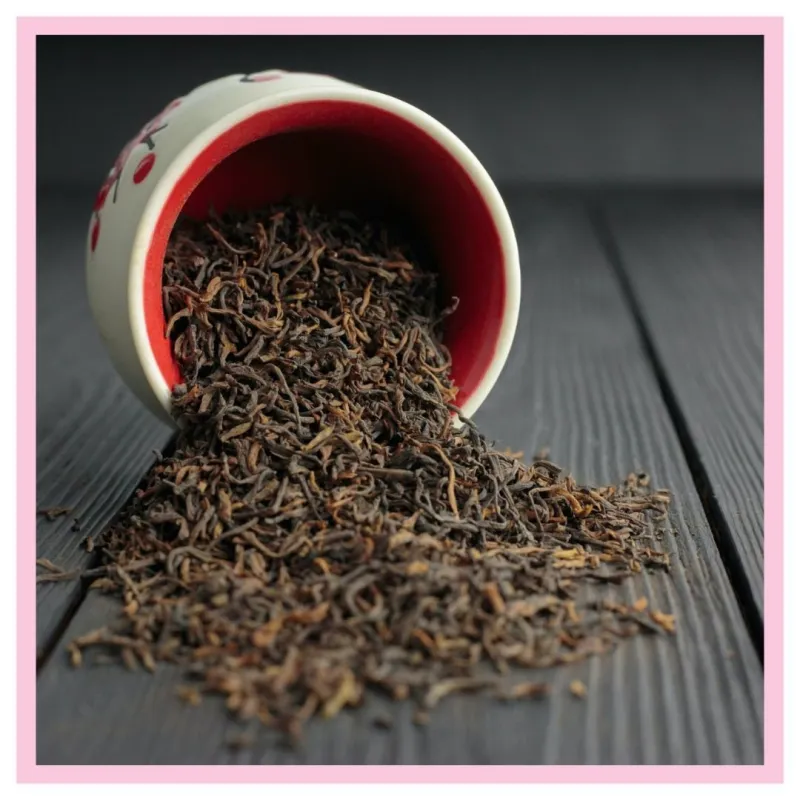
Photo: dark ripe pu-erh loose leaf tea in ceramic cup on wooden table, via images.squarespace-cdn.com
If you've been browsing tea shops online lately — including ours — you've probably noticed a tag popping up on product pages: ripe pu-erh. It sounds mysterious, maybe a little intimidating, and honestly, the internet doesn't always help. Half the articles read like graduate theses; the other half treat it like a novelty. So let's slow down, put the kettle on, and talk about what this tag actually means when you're standing at the checkout.
First, What Is Ripe Pu-erh?
Pu-erh is a fermented tea from Yunnan, China, and it comes in two broad styles: raw (sheng) and ripe (shou). Ripe pu-erh is the one that's been through an accelerated fermentation process — a method developed in the 1970s to mimic the deep, earthy character that raw pu-erh develops naturally over decades of aging.
The process is called wo dui, which translates roughly to "wet piling." Producers pile the tea leaves, add moisture and warmth, and let microbes work their magic over weeks to months. Think of it a bit like composting, but controlled, monitored, and (thankfully) much more appetizing. The result is a dark, smooth tea with notes often described as forest floor, dark chocolate, dried fig, or damp earth after rain.
If raw pu-erh is the bright, astringent young cousin that matures like a fine wine, ripe pu-erh is the uncle who's already comfortable in his own skin — mellow, grounding, and ready to drink right now.
Why the Tag Matters When You Shop
That little "ripe pu-erh" tag is doing real work. It tells you:
- What the brew will look like: deep, near-black liquor, like espresso with a reddish edge.
- What it will taste like: smooth, earthy, low in bitterness. No grassy snap.
- How it will feel: many drinkers describe a warming, full-body sensation — which is why ripe pu-erh has a devoted following for cozy evenings.
- When to drink it: anytime. Unlike raw pu-erh, which people often age, ripe is made to be enjoyed now. No patience required.
For American tea drinkers used to black tea, ripe pu-erh is the closest relative — but darker, rounder, and with a certain depth that bagged breakfast blends just don't reach.
How to Read a Ripe Pu-erh Listing
Once you know the tag, the product page becomes a lot more legible. Here's what to check:
Year. Ripe pu-erh usually carries a production year. Unlike raw, a very recent year isn't a flaw — many ripe teas benefit from a few months to "air out" the fermentation, but a two- or three-year-old ripe cake or loose blend is often drinking beautifully.
Material. Look for mention of Yunnan, and ideally the broader leaf type (dayezhong, meaning large-leaf varietal). Specific mountains and villages matter more for raw pu-erh, but provenance is still a quality signal.
Form. You'll see loose-leaf, cakes (beeng cha), bricks, and the charming little mini tuos that look like bird's nests. For a first purchase, loose leaf or mini tuo shells are the friendliest — easy to portion, easy to brew.
Grade. You may see terms like "gongting" (palace grade), which refers to finer, more tender leaf material. It's a hint toward a smoother cup, though tasting notes and reviews matter more than buzzwords.
Brewing Ripe Pu-erh Without Fuss
Here's the good news: ripe pu-erh is forgiving. It's one of the few teas where you genuinely can't ruin it with a slightly long steep.
A simple starting point for a Western-style mug:
- Use about a heaping teaspoon (3–5 grams) per 8–12 ounces of water.
- Heat water to a full boil — around 212°F. Ripe pu-erh wants hot water; shy water gives you a thin, flat cup.
- Do a quick rinse: pour hot water over the leaves, swirl for five seconds, and pour it off. This wakes the leaves up and washes away any dust from storage. Totally optional, but traditional and worthwhile.
- Steep 2–3 minutes for the first cup, then re-steep. Good ripe pu-erh easily gives you four, five, even eight infusions.
If you own a small gaiwan or teapot, go shorter — 15 to 30 seconds per steep — and watch how the flavor evolves from cup to cup. That's the quiet pleasure of this tea: it changes, gently, all evening.
A Few Honest Buying Notes
A word from your friends at the tea counter: price and quality don't always move together, and the ripe pu-erh market has its share of both gems and duds. A few things worth knowing:
- Very cheap ripe pu-erh can taste muddy or fishy. A short rinse helps, but if the aroma reminds you of a damp basement rather than a forest, move on.
- Aged is fine; ancient is marketing. Claims of decades-old ripe tea at bargain prices deserve skepticism. Ripe pu-erh as a style only dates to the 1970s.
- Loose leaf is a great entry point. Cakes are romantic and shelf-stable, but you don't need a cake knife and a puerh pick to fall in love with this tea.
The Calm Cup at the End of the Day
There's a reason ripe pu-erh has become a staple in our evening rotation here at Teas Bay. It's low in the jittery brightness of fresh green teas, rich enough to satisfy after dinner, and the ritual of multiple short steeps slows your evening down in the best way. Put your phone in the other room, brew a cup, pour a second, and let the earthy warmth do its thing.
So the next time you see that ripe pu-erh tag on a product page, you'll know exactly what you're looking at: a fermented, ready-to-drink, deeply mellow tea that asks very little and gives a lot. Filter by the tag, pick a loose-leaf option from a producer who tells you where it came from, and start steeping.
Your kettle's already on, isn't it? Good. Now you know what to put in it.