Don't Toss That Infusion: The Second Life of Your Used Tea Leaves
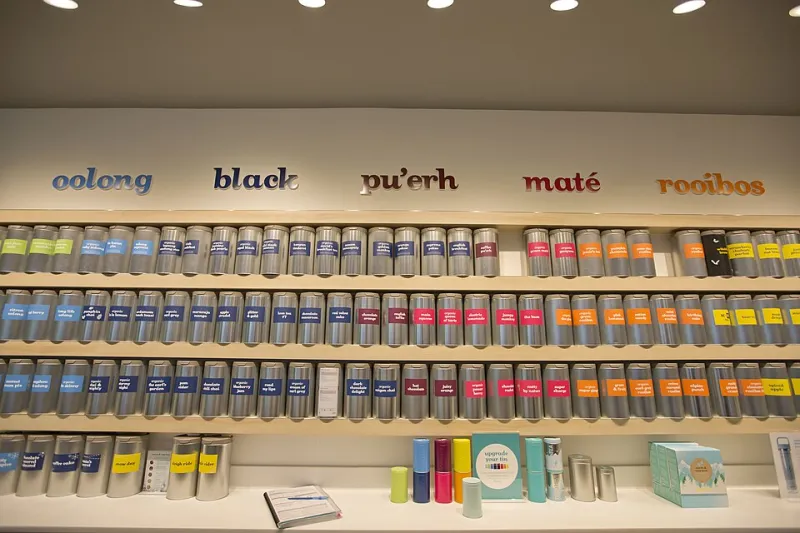
Photo: GoToVan from Vancouver, Canada, CC BY 2.0, via Wikimedia Commons
There's a quiet moment of waste that happens in kitchens across America every single day. The mug is drained, the infuser is tipped into the trash, and a perfectly usable handful of tea leaves goes to the landfill with last night's coffee grounds.
If you're drinking cheap dust-grade tea bags, that's fine — there's not much left in them anyway. But if you've graduated to loose leaf oolongs, quality green teas, or a good pu-erh, you're throwing away money and flavor. Whole-leaf teas are built for multiple infusions. The first cup is just the opening act.
The Re-Steep: Your Free Second Cup
Most quality loose leaf teas can be steeped two, three, even five times. Oolongs are the champions here — a good Tieguanyin or high-mountain Taiwanese roll can go four or five rounds, with each infusion revealing a slightly different personality. The first steep might be floral and bright; the second often gets creamier; by the third, you're getting deeper mineral notes.
The technique is simple. After your first brew, don't let the leaves sit wet for hours — re-steep within a few hours while they're still damp. Shorten the steep time on round two (many teas only need 30 seconds to a minute on the second go), and if you're using green or white tea, drop the water temperature slightly.
A practical tip from the re-steeping faithful: keep a small bowl by the kettle. Brew your morning mug, pour the leaves into the bowl, and give them a second life during your afternoon slump. Two cups, one scoop of leaves. In a year of daily drinking, that adds up to weeks of free tea.
Black teas and most herbal blends are one-and-done — they give up most of their flavor in the first infusion. But even then, don't toss them yet.
Baking With Your Spent Leaves
Here's where things get fun. Dried-out used leaves are a surprisingly versatile kitchen ingredient, and the fact that they've been steeped once actually works in your favor — the tannins have mellowed.
Tea-leaf shortbread is the gateway recipe. Spread your spent leaves on a baking sheet, dry them in a 200°F oven for 15–20 minutes until brittle, then pulse them in a spice grinder. Fold a tablespoon or two of the powder into your favorite shortbread dough along with a pinch of salt. Green tea shortbread is grassy and delicate; Earl Grey leaves (yes, even spent ones) bring a bergamot-tinged warmth. Slice, bake, and serve to guests who will absolutely ask what's in them.
Tea salt might be even easier. Mix your dried, crumbled leaves with coarse flaky salt — roughly one part leaves to three parts salt — and let it sit in a jar for a week. Smoked lapsang souchong makes a salt that tastes like a campfire married a seasoning blend. It's fantastic on eggs, roasted potatoes, and grilled chicken. Lapsang is a one-infusion tea anyway, so this is the perfect afterlife for it.
A few other kitchen projects worth trying:
- Tea-infused cream or milk — warm dairy with spent leaves, strain, and use it for custards or your morning oatmeal
- Rice cooked with tea leaves — drop a spoonful of dried leaves into the pot with jasmine or genmaicha for subtly fragrant grains
- Tea leaf rub for pork or salmon — combine dried leaves with brown sugar, garlic powder, and black pepper
The Garden Finale
When the leaves are truly spent — too tired to steep, too humble to bake — they still have one job left. Tea leaves are a nitrogen-rich addition to any compost pile, and unlike coffee grounds, they break down fast without clumping.
Sprinkle damp leaves directly around acid-loving plants like azaleas, hydrangeas, and blueberries. Camellias and tea plants are botanical cousins, after all — your garden plants share lineage with the leaf itself. Worm composting bins take to tea leaves enthusiastically, and a thin layer spread over potted houseplants works as a gentle, slow-release mulch.
A Small Ritual With a Ripple Effect
Zero-waste culture can feel like a performance sometimes — glass jars stacked to the ceiling, a pressure to be perfect. This isn't that. Squeezing a second cup from your oolong or stirring spent leaves into a batch of shortbread is less about saving the planet and more about paying attention. It's the same instinct behind a good tea ritual in the first place: noticing what you have, and using it well.
So tomorrow morning, when your infuser is empty and your mug is warm, pause before the trash can. That handful of leaves still has stories left to tell — in your cup, in your oven, or in your garden.