Sweet Tea, We Need to Talk: A Gentle Case for Upgrading the South's Favorite Porch Sipper
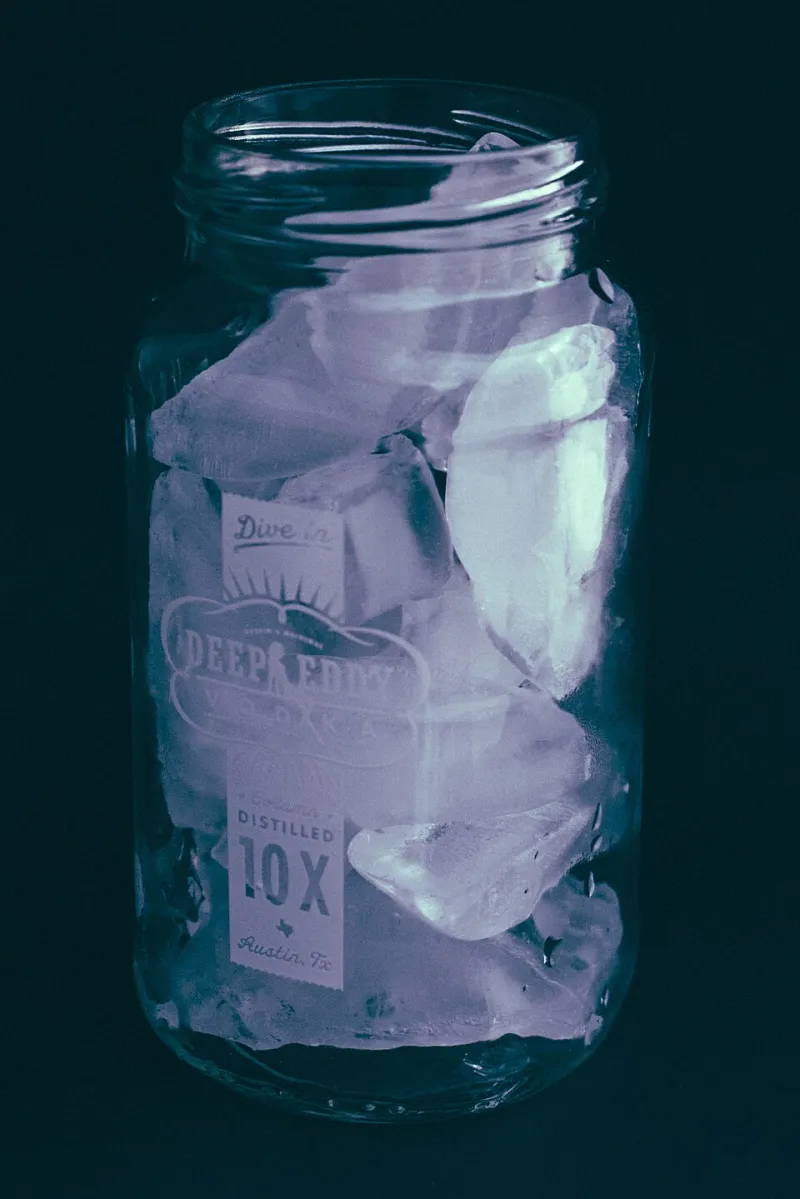
Photo: Makia Minich, CC BY-SA 3.0, via Wikimedia Commons
Let me say this up front, because it needs saying: I love sweet tea. I love it the way you love a relative who refuses to update their phone. The mason jar sweating on the porch rail, the pitcher that lives in every Southern fridge like a family member, the gas station foam cup the size of a small dog — it's tradition, it's hospitality, it's home.
And yet. Somewhere between grandma's kitchen and the fast-food drive-thru, sweet tea drifted a long way from the actual tea.
How We Got to a Pound of Sugar
The classic Southern method is a study in efficiency: boil water aggressively, drop in the cheapest tea bags available, steep until the pot surrenders, then dissolve an amount of sugar that would make a pastry chef blush while the tea is still hot. Pour over ice. Repeat for a century.
It made sense in its context. Bag tea was cheap and shelf-stable, sugar was the preservative and the pleasure, and boiling everything was the safe bet in a pre-thermometer world. This was tea for feeding a crowd on a Sunday afternoon, and it did that job beautifully.
But here's what that method leaves behind: nearly everything that makes tea interesting. Boiling water scorches delicate leaves. Bags full of dust (that's genuinely what fannings are — the crumbs of the industry) brew bitter and one-note. And a sugar-to-tea ratio that high doesn't sweeten the tea — it replaces it. What you're drinking is tea-flavored syrup, and honestly, the tea deserves better. So do you.
The Cold Brew Revelation
Here's the quiet revolution: you don't have to boil anything. Cold brewing — steeping tea in room-temperature or fridge-cold water for six to twelve hours — pulls out the sweetness and aroma naturally while leaving most of the bitterness behind. No tannic bite. No astringent aftertaste. Just clean, smooth tea that tastes like the leaf actually had something to say.
The method couldn't be simpler. Add a few tablespoons of good loose leaf to a pitcher of filtered water, park it in the fridge overnight, strain in the morning. That's it. The tea does the work while you sleep — which, if you ask us, is exactly the kind of effortless hospitality the South perfected first.
Honey Instead of a Sugar Avalanche
Now, sweetness. I'm not here to take your sugar away — I'm here to introduce it to better company. A warm honey infusion (honey stirred into a small amount of hot water before joining the cold brew) brings floral complexity that white sugar simply can't. Local wildflower honey, orange blossom, even a dark buckwheat for the bold — each one changes the conversation.
Start with half the sugar you'd normally use. I promise the tea will still read as sweet tea, especially cold-brewed, because cold brew is naturally sweeter than its boiled cousin. Add a squeeze of lemon, and you're not compromising tradition. You're tasting it for the first time.
What the Leaves Have to Say
The bag-to-loose-leaf upgrade matters more over ice than anywhere else. Iced tea dilutes as the cubes melt, so you want a brew with actual character: a brisk Ceylon, a malty Assam, or — my favorite for Southern-style sweet tea — a Chinese black tea with honey notes already built in. Suddenly the tea isn't the vehicle for the sugar. It's the whole point.
Honoring the Ritual by Evolving It
I want to be careful here, because this isn't a scolding. Sweet tea is culture, and culture doesn't owe anyone a craft upgrade. Grandma's boiled-and-sweetened gallon is a love language, and love languages don't get corrected.
But traditions that thrive are the ones that bend. The sweet tea of 1950 was itself an evolution — ice was a luxury once, remember. Serving a cold-brewed, honey-kissed pitcher on a July porch in Georgia isn't a rejection of that history. It's the next chapter, written in the same hospitable hand.
So here's the proposal: make both this summer. The old way, for the memories. The new way, for the taste. Put them side by side on the picnic table and let the family argue about it — because if there's one thing Southerners and tea people have in common, it's that the best conversations happen over a cold glass, with plenty of opinions and all the time in the world.
Sip slowly. Steep beautifully. And pass the honey.